Our professional service team has seen countless outdoor projects stall simply because the paperwork was not handled correctly. Many property owners begin their planning phase by asking one specific question: do you need a building permit for a covered patio in Mecklenburg County? The reality is that understanding these regulations upfront separates a smooth project from a costly disaster.
Permits primarily exist to ensure structural safety and legal protection for your property.
They verify that a new roof can withstand the 115 mph wind speeds common to Charlotte storms. This extra layer of oversight also protects your home’s resale value by preventing unpermitted work from derailing a future sale.
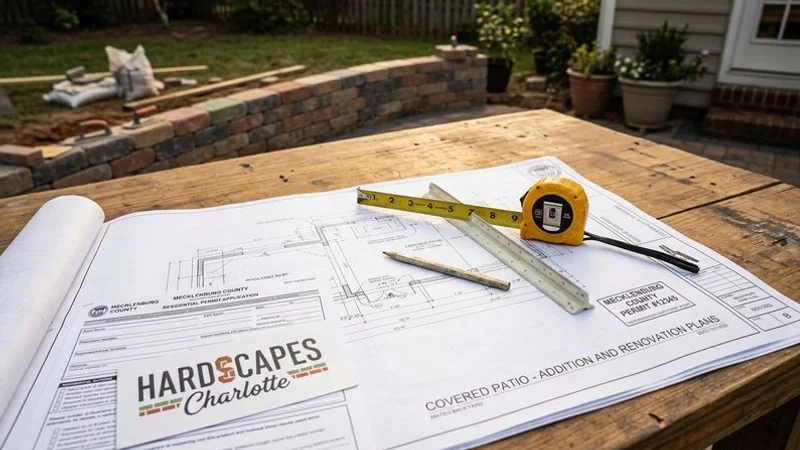
Let us look at the specific 2026 data for local code enforcement. This guide breaks down the exact triggers for different outdoor structures and shares the specific steps to get your project approved.
Understanding Permit Requirements for Charlotte Outdoor Projects
Every municipality sets different thresholds for what requires an official review. North Carolina General Statute 160D-1110 governs how local offices enforce these building codes across the state.
Do You Need a Building Permit for a Covered Patio in Mecklenburg County?
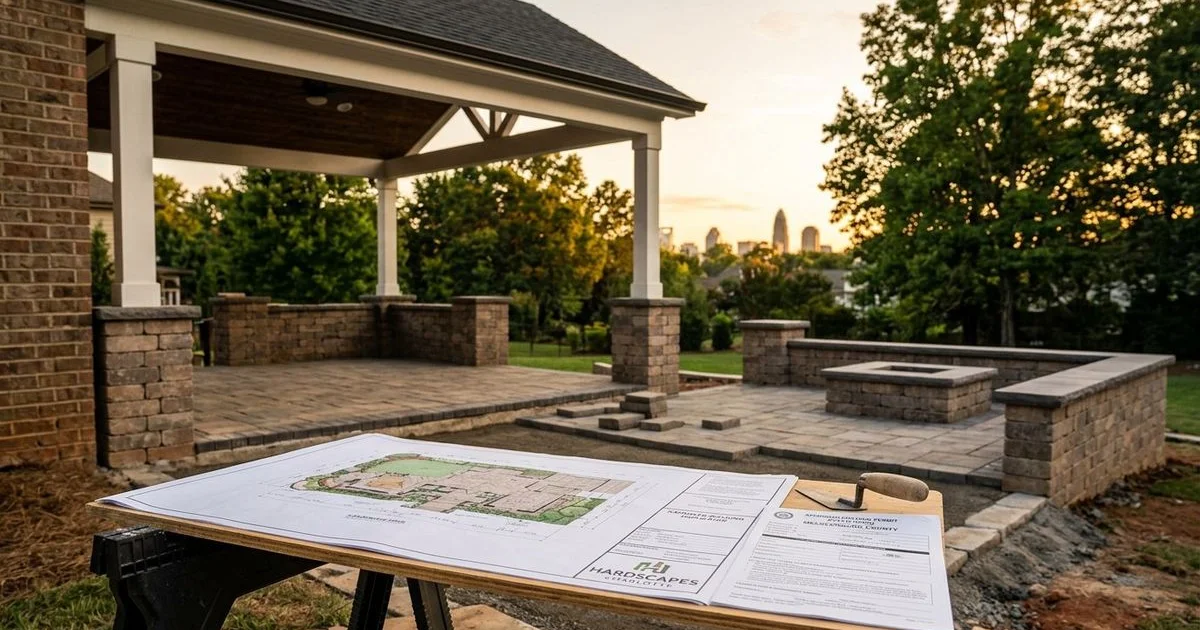
The short answer to whether you need approval for an attached roof is an absolute yes. Any covered structure attached to your home requires an official review in Mecklenburg County. An attached roof extension literally becomes part of your home’s structural envelope.
Our team always emphasizes that this rule is about severe weather safety. The local enforcement office applies the NC Residential Code, which mandates that structures in the Charlotte area must withstand design wind speeds of approximately 115 mph. Proper footing depth and engineered roof attachments prevent the structure from lifting off during severe summer thunderstorms.
Even a simple attached patio setup typically requires multiple approvals.
- The main building permit covers the wood framing and structural connections.
- A separate electrical permit is mandatory for any ceiling fans or new outlets.
- A zoning review ensures the roof does not cross property setback lines.
Freestanding Covered Structures
Freestanding pavilions and detached roof structures follow a slightly different set of rules. You generally need a formal permit if the footprint exceeds 200 square feet. Smaller structures under this threshold may be exempt from the main structural review.
You still must comply with local zoning setbacks even if the footprint is small. Any structure measuring over 12 feet in any single dimension requires a basic zoning review to ensure it sits far enough from your property lines.
Here are the typical zoning setback distances you must maintain:
- Side yard setbacks (often 5 to 10 feet depending on neighborhood zoning)
- Rear yard setbacks (typically 15 to 20 feet)
- Easement clearances (no structures allowed over buried utility lines)
Our designers always verify these exact dimensions using the county’s Polaris 3G mapping tool before drawing the first sketch. A separate electrical application is always required if you run power to the detached pavilion, regardless of its total square footage.
Decks
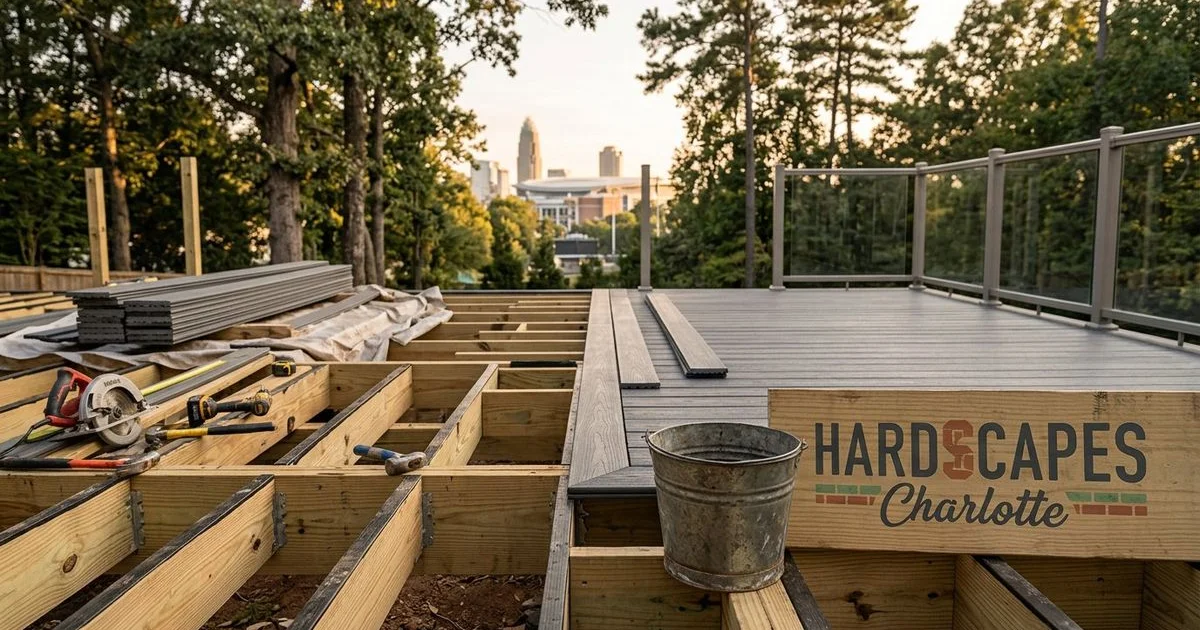
All attached decks in this region require a full structural review and official approval. There are absolutely no minimum size thresholds for attached decks. The connection point to your house, known as the ledger board, is a critical failure point that inspectors must heavily scrutinize.
Freestanding decks smaller than 200 square feet and lower than 30 inches above the surrounding grade might qualify for an exemption. You should always confirm this specific exemption with the Accela Citizen Access portal before buying materials.
The review process for any deck involves submitting detailed architectural plans containing specific data points.
- Post hole locations and exact footing depth (minimum 12 inches below grade for frost protection)
- Beam sizing and joist span specifications
- Specific ledger board flashing details to prevent water intrusion
- Railing height and baluster spacing measurements
County inspectors will visit the job site at least twice during the build. They check the open footing holes before the concrete truck arrives. They also perform a final safety check once the railings and stairs are completely finished.
Open Patios (Ground Level)
A standard ground-level surface that does not connect to your home’s foundation typically bypasses the formal review process. Natural stone installations and flagstone surfaces that sit directly on the ground fall into this exempt category. This exemption applies as long as the total project cost remains under the state’s $40,000 threshold for non-structural residential work.
Exceptions to this rule apply when you add complex features to the design. Retaining walls taller than four feet require engineered plans and a structural review. Significant yard grading that alters neighborhood water drainage patterns will also trigger a mandatory environmental review.
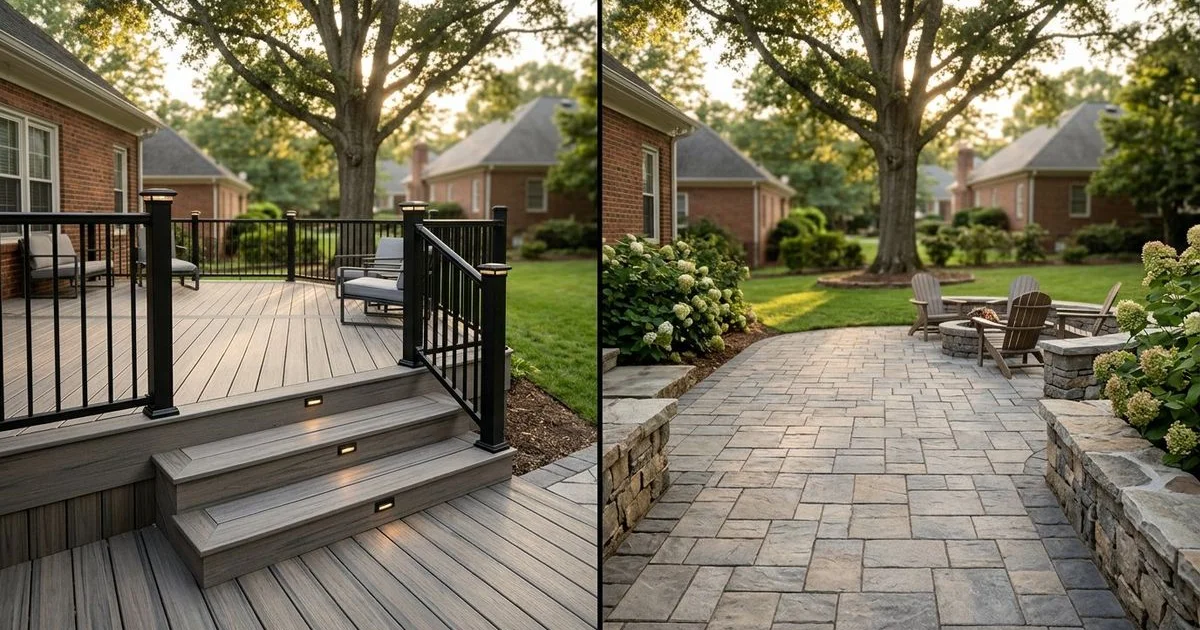
This regulatory freedom is a massive advantage for open hardscapes. A well-designed paver patio offers incredible functionality without the waiting period and fees associated with formal county reviews. You can start enjoying your new backyard weeks earlier than you would with a roofed structure.
Pergolas
Pergolas exist in a gray area of the local code that frequently catches property owners off guard. Attached pergolas almost always require a full review because they anchor directly to your exterior walls. The inspector must confirm that the added weight will not compromise your existing house framing.
Freestanding pergolas under 200 square feet typically skip the main structural review. They are still subject to the 12-foot zoning rule and all community setback requirements.
An important classification distinction changes everything. The county classifies the structure as a covered roof if it features:
- A solid permanent roof covering
- A weather-resistant retractable awning
- Tightly spaced louvers that stop rain
That classification instantly triggers a full review process regardless of whether the structure is attached or completely freestanding.
Outdoor Kitchens
Custom outdoor kitchens combine multiple different trades, which triggers several specific approvals. Running a new gas line to a built-in grill requires a dedicated plumbing review. Adding GFCI outlets, task lighting, and refrigerator connections necessitates a specialized electrical review.
Building a roof over the cooking area brings the main structural permit back into the picture. Even a basic grill island sitting on a concrete slab needs proper sign-offs if it connects to your home’s main utility lines.
For a comprehensive breakdown of the different features and their associated expenses, check out our outdoor kitchen cost guide for Charlotte.
Fire Pits and Fireplaces
Gas-powered fire features require a plumbing application for the underground gas line installation. Permanent wood-burning fire pits must adhere to specific property line setbacks and local fire codes. Large outdoor fireplaces with tall masonry chimneys usually require a full structural review to ensure the foundation can support the heavy brickwork.
The Charlotte Fire Department strictly enforces open burning regulations for any wood-burning feature. These specific fire safety rules operate completely independently of the standard construction codes.
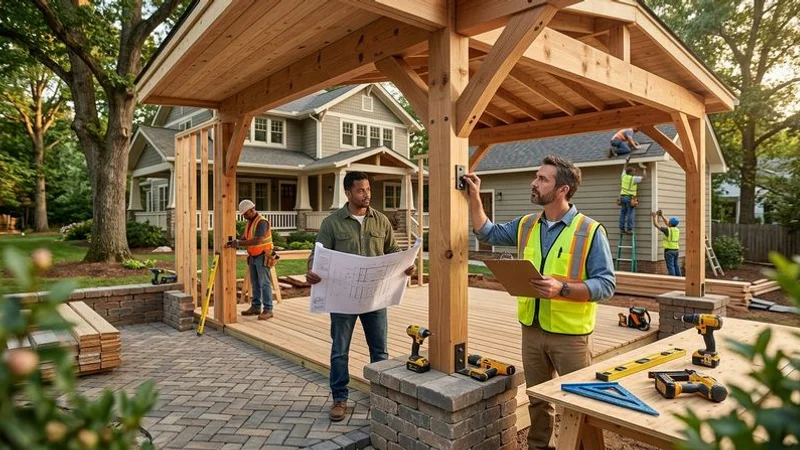
The Permit Application Process
Submitting Your Application
The local code enforcement office handles all applications digitally through the Accela Citizen Access system, commonly known as the WebPermit portal. Our management team handles this entire digital submission process as a standard part of your construction package. Understanding how this system works gives you better insight into the project timeline.
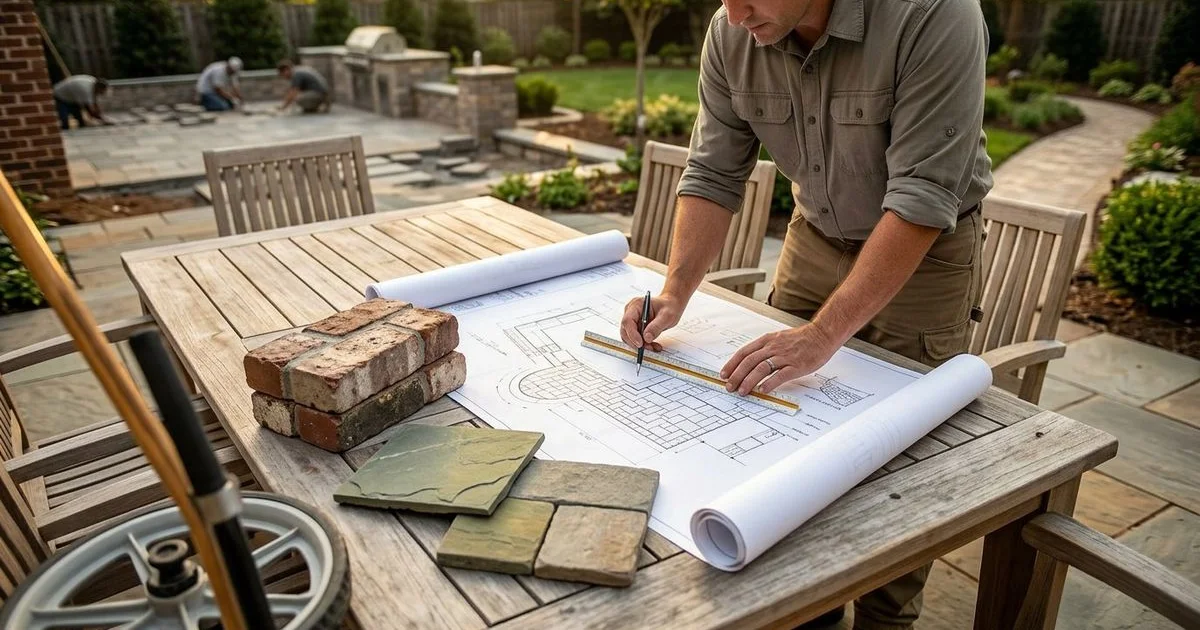
The initial submission requires a detailed site plan showing your property lines and the proposed structure. You must also submit full construction drawings detailing the lumber sizing, metal fasteners, and foundation specs. Very complex structures might require stamped plans from a licensed North Carolina structural engineer.
Processing Timeline
Standard residential applications usually make it through the review queue in 10 to 15 business days. Projects requiring special engineering or zoning variances will naturally take much longer to process. You can pay an additional fee for an expedited review if you are working against a tight deadline.
The most frequent cause of approval delays is submitting incomplete documentation.
- Missing the required NC Energy Code compliance forms
- Providing unscaled or messy site drawings
- Forgetting to list the licensed subcontractors for plumbing or electrical work
- Failing to post the required $2,000 surety bond for work inside city limits
We avoid these frustrating delays by submitting a flawless, comprehensive package on day one.
Permit Costs
The exact fees depend entirely on the estimated construction value of your specific project. These administrative costs are incredibly modest compared to the legal protection and safety verification they provide.
Here is a breakdown of approximate fees you can expect for a standard residential project in 2026:
| Project Type | Approximate Fee Range | Additional Requirements |
|---|---|---|
| Basic Deck Addition | $150 to $350 | Plus potential $122 demolition fee |
| Covered Porch/Patio | $200 to $500 | Base fee scales with project value |
| Electrical Work | $75 to $200 | Required for all new outdoor circuits |
| Gas/Plumbing Line | $75 to $200 | Required for outdoor kitchens/fire pits |
| Minimum Base Fee | $59.70 | Applies to minor work under $3,000 |
These baseline numbers do not include the required 7.25% combined state and county taxes applied to your construction materials.
Inspections
Most standard backyard builds require a minimum of two separate site visits from a county official. The first critical visit is the footing inspection, which happens before any concrete is poured into the ground. The final inspection happens at the very end to verify the finished safety features like stair railings and deck heights.
Complex projects involving enclosed walls might require additional stops for framing and rough-in electrical work. North Carolina code also dictates that structures in high-wind zones receive a specific exterior sheathing inspection to verify lateral load resistance.
Site visits are easily scheduled through the online portal and usually occur within one to three business days of the request. The lead contractor coordinates this timing directly with the construction schedule to keep the build moving forward without interruption.
HOA Considerations in Charlotte
Many local neighborhoods operate under the North Carolina Planned Community Act, granting homeowners associations significant architectural control. An HOA approval letter does not replace a county building permit. A county building permit certainly does not override your neighborhood’s architectural guidelines.
You must secure both approvals before breaking ground. Architectural review committees primarily care about the aesthetics of your new structure.
They evaluate specific details including:
- Your chosen building materials and decking composites
- Paint colors and stain finishes
- Roof pitch and shingle matching
- How the structure impacts your neighbors’ views
The neighborhood review process can take anywhere from two weeks to two full months. Prominent communities in Ballantyne, Providence Plantation, Piper Glen, and SouthPark are known for having highly detailed, multi-step review processes.
Submit your aesthetic application to the neighborhood board as early as possible. You want to receive their feedback and make any required design changes before you submit the final structural plans to the county.
What Happens If You Build Without a Permit
Skipping the required paperwork in Mecklenburg County carries severe financial and legal consequences. Local authorities frequently discover unpermitted work through neighborhood complaints or routine aerial mapping updates. The immediate consequence is a bright red stop-work order taped to your front door.
The code enforcement office can levy daily fines until you bring the project into compliance. You might be forced to rip down finished ceilings or tear up floorboards so the inspector can see the hidden structural framing. The county possesses the legal authority to order the complete demolition of any non-compliant structure.
Unpermitted work creates massive hurdles when you decide to sell your property. Modern title searches and rigorous home inspections almost always flag these undocumented additions. Savvy buyers will use this missing paperwork as leverage to demand huge price reductions or force you to retroactively legalize the structure before closing.
Working With a Contractor Who Handles Permits
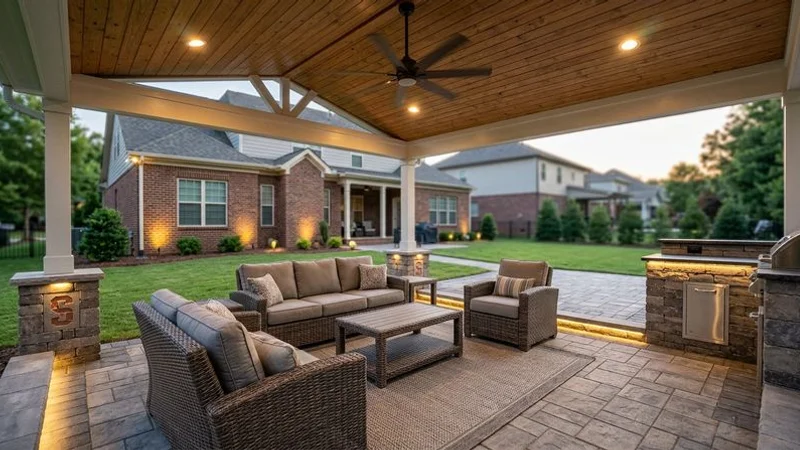
Experienced local builders handle the entire administrative process as a fundamental part of their customer service. You should run the other way if a builder suggests skipping the official review process to save a few dollars. North Carolina law actually requires a licensed General Contractor for any residential project exceeding $30,000 in total value.
Our administrative staff manages every single detail of the Accela Citizen Access portal on your behalf. The team prepares the structural drawings, posts the required county surety bonds, and manages any revision requests from the zoning office.
Your assigned project manager schedules all the required site visits and meets the inspector at your home. We hand you a finalized folder containing all your approved documents and passed inspection reports at the end of the job. These official records protect your property value and provide absolute peace of mind for as long as you own the home.
Ready to Plan Your Outdoor Project?
Securing the right approvals for your property should never be a source of anxiety.
You no longer need to stress over the question: do you need a building permit for a covered patio in Mecklenburg County?
A professional team manages the entire regulatory process seamlessly, letting you focus on the fun parts of designing your new space.
Our local crews have years of experience mastering the specific codes required for the Charlotte area. They handle everything from straightforward paver patios to fully engineered decks that require multi-phase county reviews.
Reach out today to schedule a free design consultation with our experts. We will evaluate your property, explain exactly what your specific build requires, and help you start your backyard transformation with total confidence.